Author: eh_admin

  • No More Waiting Games: How Singapore Outpaces the UK for Global Talent

    No More Waiting Games: How Singapore Outpaces the UK for Global Talent

    Migrants heading to the UK now face a decade-long wait before they can even apply for settled status—double the existing five-year requirement—unless they can “earn” an early route by proving exceptional contributions through their tax returns, NHS work or outstanding voluntary service (GOV.UK).

    Hongkongers in particular are “freaking out” over the plan to double the qualifying period for settlement to ten years and tighten language requirements under the British National (Overseas) visa route, with many unsure whether BN(O) holders will be exempt (South China Morning Post).

    By contrast, Singapore’s Professionals/Technical Personnel & Skilled Workers (PTS) Scheme allows Employment Pass holders to apply for permanent residency without a fixed minimum stay, and PR applications typically take just 6–9 months to process. Once granted PR, you can even pursue Singapore citizenship after as little as six months of permanent-resident status.

    Beyond a fast and transparent path to settlement, Singapore delivers world-class healthcare—ranked 6th globally by the World Health Organization—and is consistently listed among the safest countries for expats (Wikipedia, Business Insider). For global talents and families seeking certainty, efficiency and security, Singapore stands out as a clear, welcoming alternative to the UK’s new decade-long hurdle.

    Considering Singapore as your base? E&H Immigration’s our entrepreneur and founder residency service provides expert guidance tailored to your situation.

  • Singapore’s High-Growth Sectors & Opportunities for Global Founders

    Singapore’s High-Growth Sectors & Opportunities for Global Founders

    Summary: Singapore’s High-Growth Sectors & Opportunities for Global Founders

    Singapore has rapidly emerged as a premier launchpad in Asia for global entrepreneurs, thanks to robust government backing, advanced infrastructure, and strategic positioning in the region. In the next 5–10 years, five key sectors—Technology, FinTech, Green Economy, Advanced Manufacturing, and Biomedical Sciences—are poised for explosive growth, each supported by targeted funding, pro-business regulations, and sector-specific talent schemes.

    🌐 1. Technology & Innovation (ICT/AI)

    Singapore is investing S$1 billion in AI and compute infrastructure, and launched a S$150 million Enterprise Compute Initiative. With over 80 global tech giants based here, founders benefit from Smart Nation policies, tax incentives, and grants under Startup SG. Foreigners can access special passes like Tech.Pass and incubator tie-ups from AWS, Google, and NVIDIA.

    💳 2. Financial Technology (FinTech)

    With over 1,600 FinTechs, Singapore is Southeast Asia’s leading FinTech hub. MAS offers regulatory sandboxes, clarity in digital assets licensing, and strong support via FSTI 3.0 (S$150M). Major events like the Singapore FinTech Festival and partnerships like the UK–Singapore FinTech Bridge enable global founders to pilot, scale, and integrate solutions regionally.

    ♻️ 3. Green Economy & Sustainability

    Through the Singapore Green Plan 2030, the country is investing in clean energy, green finance, and carbon markets. Foreign cleantech founders are welcome via initiatives like the Carbon Market Alliance, Enterprise Sustainability Programme, and JTC’s Cleantech Park. R&D in areas such as hydrogen fuel and carbon capture is heavily supported.

    🏭 4. Advanced Manufacturing & Industry 4.0

    Backed by the Manufacturing 2030 Vision, Singapore targets a 50% increase in manufacturing value-add. New semiconductor fabs, biomedical parks, and government sandboxes make Singapore a hub for deep-tech, smart factories, and robotics. Grants, tax breaks, and cluster infrastructure support both MNCs and foreign startup founders alike.

    🧬 5. Biomedical Sciences & Biotech

    A S$25B R&D budget powers breakthroughs in genomics, biologics, and medtech. Top pharma players (Pfizer, Sanofi) and startups benefit from Biopolis, A*STAR labs, and SGInnovate funding. Foreign founders can tap EntrePass, Startup SG Equity, and clinical trials infrastructure to innovate and commercialise biotech solutions for Asia.

    💼 Visa & Business Facilitation

    Schemes like EntrePass, Tech.Pass, and the Global Investor Programme (GIP) streamline relocation and permanent residency. The Startup SG umbrella simplifies access to grants, networks, and regulatory guidance. Company incorporation is fast and investor-friendly, supported by top global rankings in openness and economic freedom.

    💰 Capital Access

    Singapore is the top VC hub in ASEAN and ranks globally in funding volumes. From traditional VC to sovereign wealth (GIC, Temasek) and family offices, global founders have unparalleled access to capital. Recent additions include a S$1B Private Credit Growth Fund and S$200M Long-Term Investment Fund for patient capital.

    In summary, Singapore has engineered a business ecosystem that’s tailor-made for global founders, blending world-class infrastructure with generous incentives and easy market access across Asia.

    📘 Table of Contents

    1. Introduction

    2. Digital Technology and Innovation (ICT/Tech)

      • AI Strategy 2.0 & Enterprise Compute

      • Smart Nation Vision

      • Startup SG, Tech.Pass & Talent Access

    3. Financial Technology (FinTech)

      • Regulatory Framework (FSTI, Sandbox)

      • Singapore FinTech Festival & APIX

      • International FinTech Founders Support

    4. Green Economy and Sustainability

      • Green Plan 2030 & Clean Energy

      • Green Finance & Carbon Markets

      • Urban Solutions, AgriTech & Foreign Participation

    5. Advanced Manufacturing and Industry 4.0

      • Manufacturing 2030 Vision

      • High-Tech Infrastructure (Semiconductors, Biomed)

      • Incentives, Clusters, and GIP for Founders

    6. Biomedical Sciences and Biotechnology

      • Biopharma & MedTech Manufacturing

      • Biopolis, A*STAR & SGInnovate

      • Foreign Startup Participation & Grants

    7. Business and Visa Facilitation

      • Startup SG, EntrePass, Tech.Pass, GIP

      • Ecosystem Access: LaunchPad & Global Innovation Alliance

      • Changi T5 Connectivity & Immigration Pathways

    8. Singapore’s World-Class Funding Ecosystem

      • Venture Capital, Family Offices, SWFs

      • Private Credit & Long-Term Investment Funds

    9. Ease of Doing Business & Talent Readiness

      • Company Incorporation & IP Protection

      • Economic Rankings & Skills Development

    10. Conclusion: Why Singapore for Global Founders

    11. Sources and References


    Introduction

    Singapore’s High-Growth Sectors: Unlocking Opportunities for Global Founders Through Government Support, Funding Access, and Ease of Business

    Introduction: Singapore has emerged as a strategic launchpad in Asia for high-growth industries, underpinned by proactive government support and a pro-business ecosystem. In the next 5–10 years, key sectors like technology, fintech, green industries, advanced manufacturing, and biotechnology are poised for significant growth. Each of these sectors benefit from targeted government initiatives – from generous R&D funding and industry transformation plans to tax incentives and talent programs – that not only fuel domestic innovation but also welcome foreign entrepreneurs to participate. The Singapore Economic Development Board (EDB) and related agencies actively court global startups and founders in these fields, ensuring that overseas entrepreneurs (including those from the US, UK, and China) find a conducive environment to set up regional headquarters and scale their ventures (EDB Year 2024 in Review | Singapore EDB). The following report analyses five high-growth sectors with strong government backing, detailing key initiatives and how foreign founders can leverage them for success in Singapore.

    1. Digital Technology and Innovation (ICT/Tech)

    To further support digital innovation, the 2025 Budget introduced a new S$150 million Enterprise Compute Initiative. This scheme helps businesses access computing power, cloud services, and AI consultancy from providers like AWS, Microsoft and Google. It complements the existing AI ecosystem and supports foreign founders seeking infrastructure to build AI-driven solutions.

    Singapore is positioning itself as a global tech powerhouse, building on its robust digital infrastructure and Smart Nation vision. The infocomm & technology sector is growing rapidly, and the government has committed heavy investments to sustain this growth. Over 80 of the world’s top tech firms have operations in Singapore, drawn by its advanced connectivity (nationwide 5G) and innovation-friendly environment. Emerging areas like artificial intelligence (AI), cybersecurity, cloud services, and smart city solutions are particular focal points.

    • National Strategies and Investments: Under Singapore’s updated National AI Strategy 2.0, the government is investing S$1 billion over the next five years in AI research compute infrastructure, industry projects, and talent development. This is part of the broader Research, Innovation and Enterprise 2025 plan, which allocates S$25–28 billion for R&D across multiple sectors including tech. Flagship programs like the Smart Nation Initiative drive nationwide adoption of digital solutions in public services and urban living, creating ample opportunities for tech companies to test-bed innovations in a real-world environment.

      Singapore is also offering a 100% tax deduction for innovation-related payments under approved cost-sharing agreements (CSA), as well as new grants under the National Productivity Fund. These are designed to attract high-value and research-intensive activities, which is particularly beneficial for foreign entrepreneurs establishing global R&D hubs in Singapore.

    • Ecosystem and Funding Programs: Singapore supports a vibrant tech startup ecosystem through platforms and grants. For example, the Open Innovation Platform connects companies with tech startups and researchers to co-develop solutions. Digital Industry Singapore (DISG), a joint office of EDB, EnterpriseSG, and IMDA, provides a one-stop facilitation for tech businesses. In 2024 alone, DISG helped attract 26 new AI Centers of Excellence from global firms to Singapore, while EDB partnered with accelerators by Google, AWS, and NVIDIA to support over 50 promising AI startups. Such initiatives ensure that even foreign-founded startups can easily plug into Singapore’s innovation network and access mentorship, corporate partnerships, and R&D facilities.

      A new S$1 billion Private Credit Growth Fund and a S$200 million Long Term Investment Fund have been introduced to support startups and growth-stage companies with ‘patient capital’—providing alternatives to traditional VC/PE routes.

    • Talent and Visa Support: To sustain the tech sector’s growth, Singapore has rolled out schemes to attract top global talent and entrepreneurs. The Tech.Pass, for instance, is a special visa that allows established tech entrepreneurs and experts from around the world to live in Singapore and concurrently start companies, take on corporate roles, or mentor startups. This complements the Startup SG programs (by Enterprise Singapore), which unify various startup support schemes. Under Startup SG, foreign founders can benefit from mentorship and funding (e.g. Startup SG Founder grants) and even an “entrepreneurial visa” to relocate and build their startup in Singapore. These efforts create a welcoming environment for overseas tech founders – whether a Silicon Valley AI engineer or a UK digital health startup team – to base in Singapore and access Asia’s markets with strong government backing.

    2. Financial Technology (FinTech)

    FinTech is a standout growth sector in Singapore’s economy, bolstered by the nation’s status as a global financial centre and a forward-looking regulator. Singapore is home to a large and diverse FinTech ecosystem of over 1,600 firms as of 2023, spanning payments, digital banking, blockchain/Web3, insurtech, regtech, and more (Fintech market in Singapore). Industry surveys show about 80% of FinTech firms are optimistic about Singapore’s growth outlook (FinTech’s state of play 2.0: Understanding Singapore’s FinTech landscape 2024 | PwC Singapore). This optimism is underpinned by strong government support through the Monetary Authority of Singapore (MAS) and related agencies.

    • Pro-Innovation Regulatory Framework: MAS has taken a facilitative yet prudent approach to FinTech. It launched the Financial Sector Technology and Innovation (FSTI) scheme in 2015, which has been renewed through 2025 to provide sizable grants for FinTech experiments, talent development, and infrastructure. In its latest round, FSTI 3.0 is providing S$150 million over 3 years to support innovative projects, including in green FinTech. MAS also pioneered initiatives like the FinTech Regulatory Sandbox, enabling local and foreign startups to test new financial solutions in a controlled environment. Crucially, Singapore introduced an enabling payments regulatory regime (the Payment Services Act) that consolidates licenses and provides clarity for emerging sectors such as e-wallets, remittances, and crypto exchanges. Regulatory clarity from MAS – for example in digital asset licensing – has been a key driver for the expansion of Web3 and crypto firms in Singapore. This clear rulebook gives foreign FinTech innovators confidence to operate regionally from Singapore.

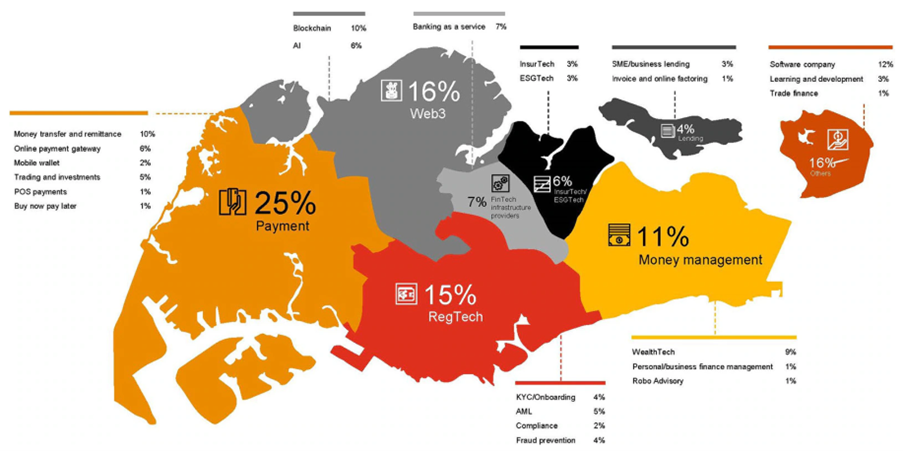
    • Government-Led Ecosystem Building: Singapore hosts the annual Singapore FinTech Festival, the world’s largest FinTech event, which is a platform for global startups to connect with investors, banks, and regulators. MAS has also established APIX (API Exchange), a global open-innovation platform that allows foreign FinTechs to collaborate with financial institutions in Singapore and the region. To strengthen specific niches, MAS and other agencies fund industry sandboxes – for instance, digital banks (Singapore awarded digital full bank licenses to new entrants, including a consortium involving China’s Ant Group) and blockchain innovation (through the Project Ubin initiative for digital currencies). The result is a comprehensive FinTech hub: Singapore is ranked among the top FinTech hubs globally and attracted over US$4.1 billion in FinTech investment in 2022, the highest in Southeast Asia (FinTech and Innovation – Monetary Authority of Singapore). Below is a Mapping of Singapore’s FinTech ecosystem by sub-sector (2024). Payments (25%) form the largest segment, followed by areas like RegTech (15%), Web3/Blockchain (16%), and wealth management tech (11%). The diverse mix showcases opportunities across the FinTech spectrum, all supported by Singapore’s conducive policies (Fintech market in Singapore).

    Mapping Singapore’s 2024 Fintech Industry

    Source: PWC

    • Opportunities for Foreign Founders: International FinTech entrepreneurs find Singapore attractive as a launchpad to Asia. The government’s support extends to foreign founders through ease of business setup (100% foreign ownership allowed, fast online incorporation) and targeted schemes. For example, overseas FinTech startups can tap Startup SG Accelerator programs to get incubated by MAS-supported accelerators and access grants. Talent visas like EntrePass and Tech.Pass are available for FinTech founders/experts, lowering barriers to relocation. Singapore also has FinTech cooperation agreements with countries like the UK and US, facilitating market entry (e.g., the UK–Singapore FinTech Bridge fosters cross-border projects and regulatory alignment). With its deep capital pools and strong investor base, Singapore offers foreign FinTech firms not only a supportive policy environment but also access to clients and venture funding. It’s no surprise that global FinTech companies such as Revolut (UK) and TransferWise (UK) chose Singapore for their Asian HQ, while Chinese FinTechs like Ant and Tencent have significant operations in Singapore to serve global markets.

    3. Green Economy and Sustainability

    Sustainability is a national priority in Singapore, with the Singapore Green Plan 2030 charting a path to green growth and net-zero emissions by 2050. The “Green Economy” is identified as a key engine for jobs and innovation – meaning that businesses in clean energy, urban solutions, and carbon services can expect strong tailwinds. The government explicitly aims to “harness sustainability as a competitive advantage” and is backing this with incentives to decarbonize traditional industries and incubate new green sectors.

    • Clean Energy and Decarbonization Initiatives: Singapore is investing in a multi-pronged energy transition despite its resource constraints. There are grants to spur energy efficiency and emissions reduction in companies – for example, EDB’s Resource Efficiency Grant helps manufacturers adopt technologies to cut energy use (Green Economy), and the National Environment Agency’s fund subsidizes up to 70% of energy-efficient equipment costs. The government is also partnering with industry on emerging low-carbon solutions like hydrogen fuel, carbon capture, utilization and storage (CCUS), and sustainable fuels, given their potential to help decarbonize at scale. These initiatives signal that foreign cleantech firms (whether working on carbon capture tech, solar innovations, or energy storage) will find a ready testbed and support in Singapore. For instance, Singapore has rolled out one of the world’s largest floating solar farms and is piloting green hydrogen use – projects open to international solution providers.

    • Green Finance and Carbon Services Hub: Leveraging its financial hub status, Singapore aspires to be Asia’s leading centre for green finance and carbon trading. MAS has committed significant funds (including a dedicated Green Finance Investment Programme of US$2 billion) to catalyse green financing and insure climate-related projects. The number of carbon services and trading firms in Singapore more than doubled from 2021 to 2023, reaching about 140 companies active in carbon credit verification, trading, and consulting. To accelerate this, EDB launched the Singapore Carbon Market Alliance and a Carbon Project grant to incentivize carbon credit developers to set up in Singapore. Such moves, along with Singapore’s participation in international carbon offset frameworks (Article 6 of the Paris Agreement), make it an attractive base for foreign companies involved in carbon markets and climate fintech. Additionally, Singapore and the UK signed a Framework Agreement (2023) to cooperate on clean energy and green finance, further integrating Singapore into global green value chains.

    • Urban Solutions, AgriTech and Others: As a densely populated city-state, Singapore has developed cutting-edge urban sustainability solutions – from water recycling (NEWater) to waste-to-energy plants – often in collaboration with foreign tech providers. The “Urban Solutions & Sustainability” sector is supported under industry transformation maps, and JTC’s Cleantech Park and Agri-Food Innovation Park provide infrastructure for cleantech and agri-tech startups. For example, to boost food security, Singapore’s government aims to produce 30% of its nutritional needs locally by 2030 (“30 by 30” goal) and is actively supporting agri-food tech. This includes funding vertical farming, cultured meat and alternative protein ventures. Notably, Singapore was the first country to approve lab-grown meat for sale, a result of close regulatory-scientific collaboration that has drawn US food-tech companies (like Eat Just and Impossible Foods) to establish facilities in Singapore. Foreign startups in sustainable agriculture, water tech, green building tech, and related fields will find not only R&D support under RIE (for renewable energy, circular economy solutions, etc.) but also a living lab environment where government agencies often partner to deploy new solutions city-wide.

    • Support for Foreign Entrepreneurs: Green economy initiatives in Singapore are open to international participation. Enterprise Singapore’s Enterprise Sustainability Programme offers funding and training to help businesses (local or foreign-owned) develop sustainable products and adopt green standards. There are also specific facilitation programs: for instance, the Global Innovation Alliance has nodes in countries like France and Japan focusing on urban solutions, which can soft-land foreign greentech startups into Singapore’s ecosystem. While there isn’t a special “green visa,” general schemes like EntrePass are very much applicable to cleantech startup founders. Moreover, Singapore’s emphasis on sustainability means impact investors and government-linked funds here are actively seeking green projects – a boon for foreign founders looking for funding and partnerships. In short, Singapore’s government is not only greening the economy but positioning the country as a launchpad for green innovation in Asia, with substantial opportunities for overseas entrepreneurs to lead or collaborate in this transformation.

    4. Advancd Manufacturing and Industry 4.0

    Manufacturing has long been a pillar of Singapore’s economy, and it is set for major expansion and upgrading by 2030. The government’s Manufacturing 2030 vision explicitly targets a 50% increase in manufacturing value-add by 2030, aiming to establish Singapore as a global hub for Advanced Manufacturing in areas like semiconductors, precision engineering, chemicals, and aerospace (Singapore Economy 2030). This strategy is backed by significant policy support, ensuring that companies at the forefront of Industry 4.0 (automation, robotics, IoT, digitalization) will thrive. Notably, even as manufacturing grows, Singapore focuses on “smarter, greener, and more connected” production to remain competitive (Advanced Manufacturing | Industry 4.0 | Singapore EDB). Despite it’s small size, Singapore rank’s 5th in the world in terms of total value exported for High Technology Exports based on the latest survey by the World Bank in 2023.

    High Value Exports (USD Billion)

    Rank Country 2023 % of Total
    1 China $825.05 24%
    2 Hong Kong $369.16 11%
    3 Germany $255.69 7%
    4 South United $208.51 6%
    5 Singapore $197.39 6%
    6 South Korea $163.05 5%
    7 Malaysia $127.03 4%
    8 France $115.26 3%
    9 Netherlands $110.95 3%
    10 Japan $102.60 3%

    Source: World Bank

    Two major infrastructure developments announced in 2025 will strengthen deep-tech ecosystems. A new S$500 million national semiconductor R&D fabrication facility under the National Semiconductor Translation and Innovation Centre will provide shared cleanroom space and advanced packaging capabilities. In the biomedical sector, a new S$500 million science park will enhance biomedical research and promote stronger partnerships between A*STAR, industry, and academia.

    • High-Tech Industrial Base: Singapore already hosts many world-class manufacturing facilities operated by leading multinationals. For example, in electronics and semiconductors, companies like Micron, Infineon and GlobalFoundries run state-of-the-art wafer fabrication plants in Singapore. In pharmaceuticals, Singapore is a manufacturing base for 4 of the world’s top 5 pharma companies (Pfizer, Novartis, Merck/MSD, Sanofi, etc.), producing high-value drugs and biologics for global markets (Pharmaceuticals & Biotechnology | Singapore EDB). Overall, Singapore is the world’s 5th largest exporter of high-tech goods, and even manufactures 4 of the world’s top 10 drugs by volume. These achievements are a result of decades of government effort to attract advanced producers with incentives and to build an ecosystem of suppliers, engineers, and researchers.

    • Industry 4.0 and Innovation Programs: To keep manufacturers at the cutting edge, Singapore invests heavily in advanced manufacturing R&D and industry transformation. The government established model Smart Factories and labs in collaboration with research institutes (like A*STAR’s Advanced Remanufacturing and Technology Centre) where companies can jointly develop automation solutions. Under the Precision Engineering and Electronics Industry Transformation Maps, grants are available for SMEs to adopt robotics, additive manufacturing (3D printing), and digital twin technologies. Singapore ranked 3rd globally for manufacturing value-add in the Bloomberg Innovation Index (Advanced Manufacturing | Industry 4.0 | Singapore EDB), reflecting its push for high productivity. A notable initiative is the Smart Industry Readiness Index (SIRI), a framework by EDB to help factories (including those of foreign firms) assess and improve their Industry 4.0 maturity – this has been internationally recognized and encourages continuous tech upgrades. Additionally, workforce upskilling programs (often co-funded by government) ensure a steady pipeline of skilled technicians and engineers, addressing a key concern for foreign manufacturers looking to set up in Singapore.

    • Incentives and Infrastructure: The EDB offers targeted incentives for manufacturing projects that bring in leading capabilities. Schemes such as the Pioneer Certificate Incentive and Development & Expansion Incentive provide tax breaks to firms investing in new advanced production lines or innovative industrial projects in Singapore (Singapore, an Eco-Friendly City, and Government Incentives for …). There are also grants for equipment automation and energy-efficient tech (aligning with the green push). On the infrastructure side, Singapore has developed industry-specific clusters like One-North (for biomedical R&D and startups), Tuas Biomedical Park (for pharma manufacturing), Jurong Innovation District (for advanced manufacturing and robotics, where companies like Siemens and Hyundai have set up innovation centres), and Seletar Aerospace Park (for aerospace manufacturing and maintenance). These clusters offer ready-built facilities and even sandbox zones to test technologies (e.g., autonomous vehicles within industrial parks). The government often co-invests in such infrastructure, lowering entry costs for companies.

    • Foreign Companies and Founders: The advanced manufacturing boom in Singapore is inclusive of foreign investors and entrepreneurs. Many U.S., European, and increasingly Chinese companies choose Singapore for their Asian manufacturing hubs due to its reliability and supportive policies. For instance, U.S. firms like Micron and MSD, UK firms like Rolls-Royce, and German firms like Siemens have major operations that benefit from Singapore’s grants and close partnership with agencies. Chinese high-tech manufacturers are also welcomed – e.g., Zhejiang’s Haier set up a research centre for smart home appliances, and Shanghai’s semiconductor firms have explored Singapore for expansion. Beyond large firms, there’s room for startup-style innovators: if a foreign entrepreneur has developed a novel manufacturing tech (say a robotics solution or advanced materials startup), Singapore’s ecosystem (through incubators like Advanced Remanufacturing hub or accelerators focused on hardware) can support scaling it up. The Global Investor Programme (GIP) even offers a path to permanent residency for those who invest S$10+ million in new businesses, which is attractive to founders establishing significant manufacturing ventures. In summary, Singapore’s government is ensuring that the manufacturing sector’s growth – in aerospace, electronics, medtech, etc. – is accompanied by an open door to global firms and experts to bring in frontier technologies and leadership.

    5. Biomedical Science and Biotechnology

    The biomedical sciences sector (encompassing pharmaceuticals, biotechnology, and medical technology) in Singapore has seen tremendous growth, and the government continues to heavily promote it as a future engine of innovation. Over the past two decades, Singapore invested billions to become a leading biomedical hub in Asia, and it now reaps significant output – in 2022, pharma manufacturing output exceeded S$19 billion, more than triple the output in 2000 (Pharmaceuticals & Biotechnology | Singapore EDB). With rising global demand for healthcare and Asia’s aging populations, Singapore is doubling down on biotech R&D, biopharma manufacturing, and healthcare tech startups, with ample opportunities for foreign companies and founders to contribute.

    • World-Class Biopharma Manufacturing: Singapore’s emphasis on quality and reliability has made it a trusted site for pharmaceutical manufacturing. Industry leaders such as Pfizer, Novartis, Sanofi, AbbVie, Amgen, Merck/MSD and GSK all have major production facilities in Singapore. These plants produce active pharmaceutical ingredients, vaccines, biologic drugs, and nutritional products for global export. Singapore has earned a sterling regulatory reputation – in over 30 years, no local pharma plant has received a critical citation from the US FDA, underscoring the high compliance standards. To maintain competitiveness, the government partners with industry on initiatives like the Pharma Innovation Programme Singapore (PIPS) consortium, which brings companies together to develop next-gen manufacturing processes (e.g., continuous manufacturing, advanced process analytics). The continued expansion of big pharma in Singapore (recent example: AstraZeneca’s first end-to-end biologics manufacturing facility in Asia for new cancer therapeutics (EDB Year 2024 in Review | Singapore EDB)) is supported by EDB incentives and shows foreign investors that Singapore is committed to being a base for cutting-edge biomanufacturing.

    • Cutting-Edge Research and Biotech Startups: Alongside manufacturing, Singapore has built a thriving biomedical R&D ecosystem. The government’s RIE allocated a large share (one of four domains) to “Human Health and Potential” research, with S$25 billion committed to public R&D funding that includes biomedical sciences from 2021-2025. Institutes in the Biopolis research park (like Genome Institute of Singapore, Bioinformatics Institute, etc.) collaborate with industry and startup companies on drug discovery, genomics, precision medicine, and medical devices. This has attracted the external innovation teams of companies like Johnson & Johnson to Singapore, where they scout and co-develop products with emerging biotechs. In recent years, homegrown and foreign-founded biotech startups have flourished, supported by government initiatives such as SGInnovate (a venture catalyst for deep-tech startups including biotech) and Startup SG Equity, a co-investment scheme that matches private VC funds for early-stage tech companies ([PDF] General/For Startups – Enterprise Singapore). Foreign scientists or healthtech entrepreneurs will find Singapore’s ecosystem very accessible – for instance, they can partner with A*STAR research labs, conduct clinical trials in Singapore’s excellent hospital system, and get mentorship through programs like the Singapore Biodesign initiative at universities. Additionally, regulatory agility (Singapore was quick to approve new medtech like telemedicine platforms and even mRNA vaccines for trials) makes it a favourable place to introduce healthcare innovations.

    • MedTech and Healthcare Innovation: Beyond drugs and biotech, Singapore’s medtech sector is growing with government support. The country hosts manufacturing of medical devices (e.g., by Medtronic, BD, Thermo Fisher) and also serves as a launch market for digital health apps, diagnostics, and health services. The government’s Healthcare Industry Transformation Map works to integrate new tech into the healthcare system, often collaborating with startups. There are innovation grants specifically targeting medtech device development and health AI. Overseas medtech startups often choose Singapore to pilot new products in Asia due to the strong IP protection and a diverse patient population for testing. The Global Investor Programme has an option tailored for healthcare/biotech investors as well, encouraging established foreign biotech entrepreneurs to invest and settle in Singapore (for instance, by setting up a research lab or regional HQ, with fast-track residency as an incentive).

    • Opportunities for Foreign Founders: The biomedical sector’s openness is illustrated by the variety of foreign players in Singapore – from Big Pharma companies to venture-backed biotech startups from the US and Europe that have set up labs here to target Asian markets. Singapore actively attracts top international scientific talent and entrepreneurs: programs like the EntrePass work visa are explicitly aimed at high-calibre innovators (e.g., biotech PhD entrepreneurs) starting companies in Singapore. The country’s robust IP laws and research infrastructure mean that a biotech startup can securely develop its technology and even manufacture clinical-grade material locally. Moreover, government grants like Early-Stage Venture Funding and Proof-of-Concept grants (often under the Startup SG Tech scheme) are open to Singapore-based companies regardless of the founder’s nationality, provided they are incorporated in Singapore. For Chinese and Indian biotech companies looking to go global, Singapore offers a neutral base with strong international connectivity to conduct trials and seek FDA/EU approvals. For Western biotech firms, having a base in Singapore can ease expansion into Asia. All these factors, combined with aggressive government support (spanning funding, infrastructure, and connections), make Singapore a uniquely supportive location for foreign biomedical founders intent on pioneering the next wave of healthcare innovations in Asia.

    Business and Visa Facilitation for Overseas Entrepreneurs

    To support businesses with rising costs, the government is offering a 50% Corporate Income Tax rebate for YA2025, capped at S$40,000. Eligible companies with at least one local employee will receive a minimum benefit of S$2,000 via a cash grant.

    While each sector above has specific initiatives, Singapore also provides broad support mechanisms to facilitate foreign entrepreneurs and business owners setting up in the country. The government’s approach is holistic: make it easy to start and run a company, offer incentives to grow, and provide pathways for global talent to live and work in Singapore. Key programs include:

    • Startup SG Programme: An umbrella for startup support, Startup SG offers a suite of resources – from grants (e.g., Startup SG Founder grant of S$50k for early-stage startups) to mentorship and networking platforms. Notably, Startup SG Talent initiatives help international founders connect with Singapore’s ecosystem and gain an “entrepreneurial pass” to work in the country (Join Startup SG). Singapore’s startup ecosystem is highly international, and Startup SG unifies efforts to welcome both local and foreign ventures by easing access to funding, incubators, and talent pools.

    • EntrePass Visa: The EntrePass is a work visa specifically for eligible foreign entrepreneurs who wish to found and operate innovative startups in Singapore. Aimed at “serial entrepreneurs, high-calibre innovators and experienced investors”, EntrePass allows founders to relocate and build their business, and provides access to Singapore’s startup community and events. Criteria for EntrePass include having venture funding or being incubated by recognized accelerators, which align with attracting quality foreign startups. This visa has made it possible for founders from the US, UK, China, India and beyond to call Singapore home while growing their companies.

    • Tech.Pass and Other Talent Passes: For experienced tech founders or specialists who may not fit the early-stage profile of EntrePass, Singapore introduced Tech.Pass in 2021. Tech.Pass is an exclusive visa that lets established tech entrepreneurs or experts “from around the world come to Singapore to perform frontier and disruptive innovations.” It is an individualized 2-year pass that confers flexibility – holders can concurrently start companies, take up employment, mentor, or invest, without needing separate work permits. This is particularly attractive to founders of growth-stage companies or tech executives (e.g., from Silicon Valley or Shenzhen) who want to base themselves in Singapore’s innovation scene. In addition, traditional employment passes have been made more streamlined for startup hires, and programs like Global Entrepreneurial Executive under EDB facilitate bringing in founding team members.

    • Global Investor Programme (GIP): For high-net-worth entrepreneurs or business owners, the GIP offers a route to Singapore permanent residency if they make substantial investments in the country. By investing a minimum amount (several million dollars) into either a new business, expansion of an existing business, or an approved fund, foreign investors can qualify for PR. The GIP is often leveraged by founders of sizeable companies from China or the West who are setting up regional headquarters or innovation centres in Singapore as a strategic base. While not the focus for early startups, GIP underscores Singapore’s openness to global business leaders and provides flexibility for them to make Singapore a long-term home base.

    • Launchpad and Ecosystem Access: Beyond formal visas, foreign founders benefit from Singapore’s highly networked ecosystem. JTC LaunchPad @ One-North is a startup campus housing hundreds of startups and VCs, including many foreign-founded ones, fostering collaboration in close proximity. Government agencies and industry groups frequently organize networking events, innovation challenges, and market access programs (e.g., via the Global Innovation Alliance, which links Singapore with tech hubs in markets like San Francisco, London, Shanghai, etc.). These create soft landing opportunities – for instance, a UK startup may join a GIA accelerator to explore the ASEAN market through Singapore, with government support in navigating business culture and regulations.

      Singapore is investing S$5 billion to expand Changi Airport with the construction of Terminal 5, which will increase capacity by over 50%. This will significantly enhance regional and global connectivity, making Singapore an even more attractive base for foreign businesses looking to access the ASEAN and wider Asian markets.

    Singapore’s World-Class Funding Ecosystem

    Beyond government grants, Singapore boasts a dynamic and mature funding landscape, providing crucial capital for startups and growth-stage companies founded by both local and international entrepreneurs.

    Vibrant Venture Capital (VC) Hub: Singapore is the undisputed VC hub of Southeast Asia, hosting a high concentration of global, regional, and local VC firms (e.g., Sequoia Capital Southeast Asia, Vertex Ventures, Monk’s Hill Ventures, Wavemaker Partners). Billions are deployed annually across various stages, from seed and early-stage (Series A, B) to growth equity. Foreign founders benefit from this density, increasing their chances of securing funding through networking, accelerator programs, and direct outreach.

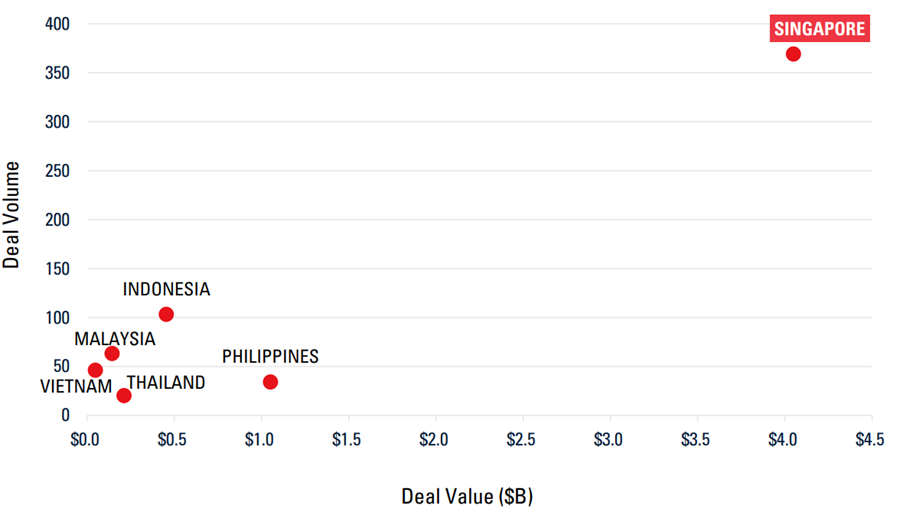
    Within ASEAN, Singapore stands out amongst its peers as the top deal making country in the region in both deal volume and deal value.

    Venture Funding Deal Volume and Value Per Market in the First 9 Months Of 2024

    Source: Pitchbook and Enterprise Singapore

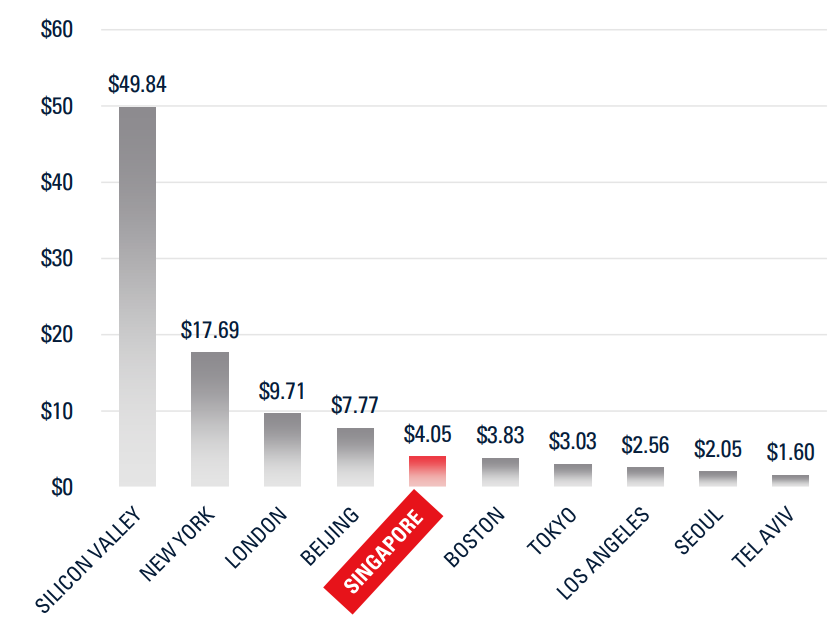
    Globally, Singapore is among the top 5 VC funding markets.

    Share Of Venture Funding Deal Value By Top 10 Global Startup Ecosystems* In 9M24

    Source:  Pitchbook and Enterprise Singapore* List of ecosystem based on Startup Genome Startup Ecosystem Ranking 2024, Top 10

    The government’s introduction of a S$1 billion Private Credit Growth Fund (PCGF) to provide non-dilutive customised financing to best meet the diverse needs of these promising local enterprises and a S$200 million Long Term Investment Fund (LTIF) which will make investments beyond the typical 3- to 7-year term in order to provide highly patient growth capital.

    • Growing Influence of Family Offices: Singapore has witnessed exponential growth in the number of Family Offices setting up shop, attracted by stability, tax incentives, and the region’s wealth creation. These entities are increasingly sophisticated investors, participating in direct startup investments, co-investing alongside VCs, or backing VC funds. They often provide strategic, long-term capital, particularly valuable for deep-tech or B2B ventures.

    • Role of Sovereign Wealth Funds and Government-Linked Capital: Singapore’s Sovereign Wealth Funds, GIC and Temasek Holdings, play a significant, albeit often indirect, role. They invest in global technology trends and act as Limited Partners (LPs) in many VC funds active in the region. Furthermore, government-linked investment arms like EDBI (the corporate investment arm of EDB) directly invest in strategic growth-stage companies that align with Singapore’s economic priorities, including those founded by foreign entrepreneurs bringing unique technologies or market access.

    Accessing this ecosystem requires strategic networking, often facilitated through introductions via accelerators, government agencies like Enterprise Singapore, industry events, and professional service providers.

    Unmatched Ease of Doing Business and Business Facilitation

    Singapore consistently ranks among the world’s top countries for ease of doing business, a critical factor for entrepreneurs focused on minimizing friction and maximizing speed to market. This reputation is built on efficiency, transparency, and strong rule of law. For example, Singapore has been ranked first among 129 countries in the World Openness Index consistently since 2008.

    The 10 Most Open Economies in 2022

    Economy 2022 2021 2020 2019 2008
    Singapore 1 1 1 1 2
    Germany 2 2 2 3 3
    Hong Kong, China 3 4 3 2 4
    Ireland 4 3 4 4 11
    Malta 5 6 9 9 7
    Netherlands 6 10 11 7 9
    Australia 7 8 6 6 25
    Switzerland 8 9 8 8 12
    Cyprus 9 12 15 15 16
    United Kingdom 10 11 7 5 5

    Source: Institute of World Economics and Politics

    Singapore also ranks first in Economic Freedom Index which is a composite index of ten components grouped into four broad categories: Rule of Law; Limited Government; Regulatory Efficiency and Open Markets. The overall economic freedom is scored on a scale of 0 to 100, where 100 represents the maximum freedom.

    Economic Freedom Index for 2024 (Higher is better)

    Global Rank Country Index
    1 Singapore 84
    2 Ireland 83
    3 Switzerland 83
    4 Taiwan 80
    5 Luxembourg 79
    6 Denmark 78
    7 Estonia 78
    8 New Zealand 78
    9 Norway 78
    10 Sweden 78

    Source: theglobaleconomy.com

    • Streamlined Company Incorporation: Opening a company in Singapore is remarkably straightforward and fast[1]. Requirements are clear: minimum one shareholder, one resident director (can be an Employment Pass holder), a local registered address, and a qualified company secretary. Services exist to assist foreign founders in meeting the resident director requirement initially.

    • Competitive Business Environment: Compared to many jurisdictions, Singapore offers low corporate tax rates, numerous tax incentives (as detailed in sector analyses), robust intellectual property (IP) protection, and a transparent legal system. The 2025 Budget includes a 50% Corporate Income Tax rebate (capped at S$40,000 for eligible firms) to help businesses manage costs.

    • Comprehensive Visa and Immigration Support: Singapore offers multiple pathways for Singapore immigration, tailored to entrepreneurs and talent:

      • Startup SG Programme & EntrePass: As mentioned, Startup SG unifies support schemes, including grants and mentorship. The EntrePass is specifically designed for innovative foreign founders aiming to establish and run their ventures in Singapore.

      • Tech.Pass: A specialised visa for accomplished global tech leaders, offering flexibility to start businesses, work, mentor, or invest.

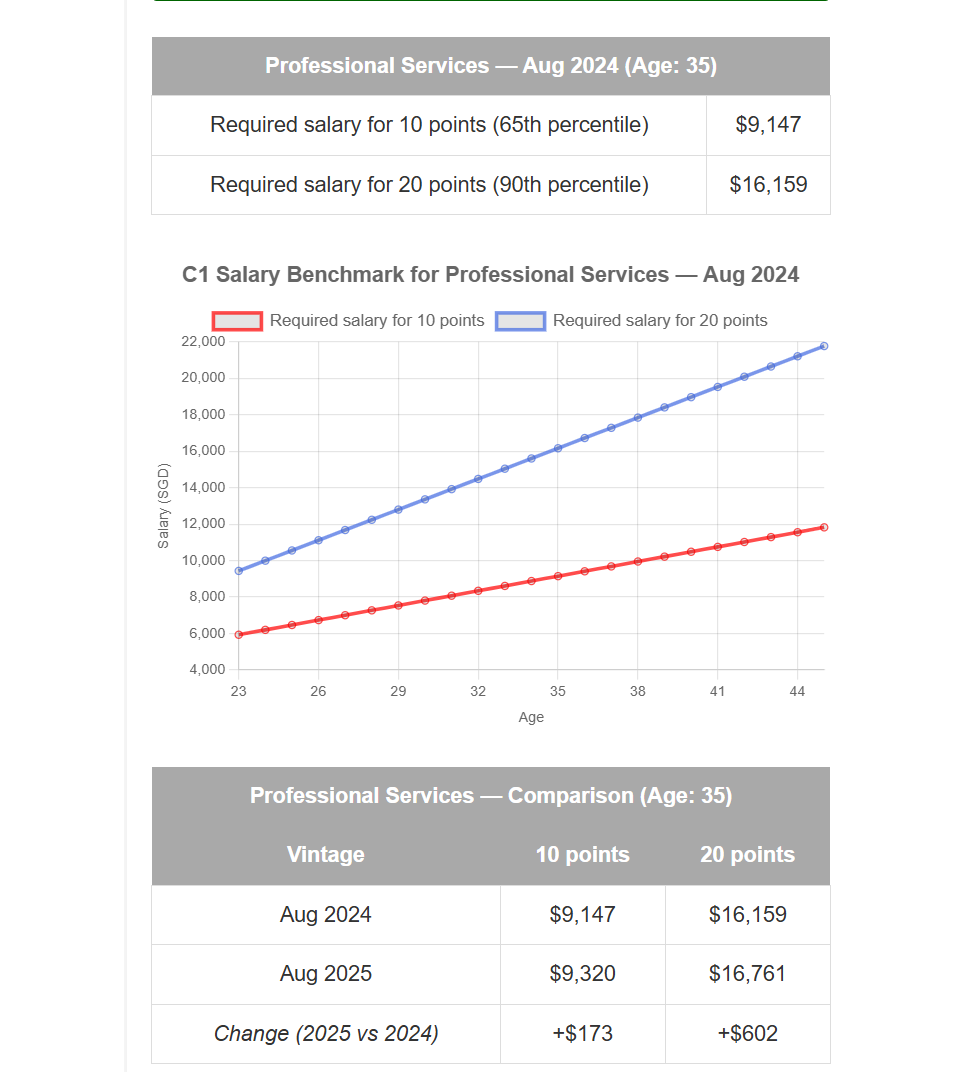
      • Employment Pass (EP): The standard work visa for professionals, managers, and executives. Foreign founders often incorporate their company and then apply for an EP as a director or key employee. Singapore has refined its EP application process (e.g., COMPASS framework) to ensure transparency and attract high-quality global talent.

      • Global Investor Programme (GIP): A direct route to Permanent Residency for high-net-worth individuals making substantial business investments in Singapore.

    • Ecosystem Access and Infrastructure: Physical hubs like JTC LaunchPad @ one-north provide a dense ecosystem for startups, VCs, and incubators. The Global Innovation Alliance (GIA) connects Singapore to global tech hubs (e.g., San Francisco, London, Shanghai), facilitating market access and soft-landing for foreign startups (Fintech market in Singapore). Major infrastructure projects, like the S$5 billion expansion of Changi Airport (Terminal 5), further enhance Singapore’s superb connectivity, crucial for businesses accessing regional and global markets.

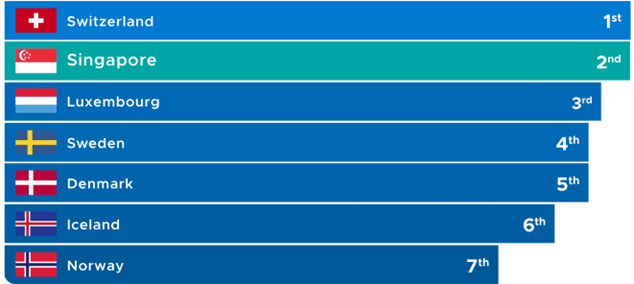
    • Deep talent pool: Singapore values a cosmopolitan workforce and the extensive expertise it brings, remaining open to global talent while prioritizing its highly educated local workforce. The country makes significant investments to grow its talent pool through nationwide skills development initiatives that help the workforce keep pace with global economic changes. As a result, businesses benefit from a highly skilled and diverse talent pool, supportive upskilling programs, and initiatives that facilitate knowledge sharing, ensuring a future-ready workforce.

    World Talent Ranking 2024

    Sources: (i) Channel NewsAsia, ‘Appropriately sized’ unemployment support among ideas for SkillsFuture revamp: Lawrence Wong; (ii) IMD World Competitive Centre, World Talent Ranking 2024

    Conclusion: Why Singapore for Global Founders

    In sum, Singapore’s pro-business policies and targeted sectoral strategies make it an ideal springboard for overseas founders. The combination of a stable political climate, competitive tax rates, and strong rule of law with generous government incentives is powerful. Sectors such as tech, fintech, green industries, advanced manufacturing, and biotech are not only growing rapidly but are areas where Singapore’s government is investing public funds and crafting future-ready regulations. Foreign entrepreneurs from the US, UK, China or elsewhere can leverage Singapore’s support – be it through funding schemes, innovation labs, or special work passes – to accelerate their ventures. With Southeast Asia’s markets at its doorstep, Singapore offers a strategic, well-supported location for Asia-Pacific headquarters or R&D centres, enabling companies to innovate locally and scale regionally. For an immigration consultancy pitching Singapore, the message is clear: Singapore is open for innovation – and it has built an entire ecosystem to ensure that global founders who choose Singapore will flourish alongside its high-growth sectors.

    Sources and References:

    [1] 1-2 days with local directors and shareholders, or 1-2 weeks with foreign directors and shareholders.

    FAQ

    Looking to establish yourself in Singapore? E&H Immigration’s our entrepreneur and founder residency service provides expert guidance tailored to your situation.

  • How to Ace the Singapore PR Appeal Process with Professional Help

    How to Ace the Singapore PR Appeal Process with Professional Help

    Applying for Singapore Permanent Residency is a life-changing experience that offers many benefits such as stability, career progression and education options. Yet, it may prove to be complicated without help. Use expert advice which can make a real difference. Let’s look at how you can ace this important step for a successful future in Singapore.

    Grasping the Necessity of Permanent Residency

    People from all walks of life aspire to call Singapore their home. The application is not just a formality, it is your key to becoming an important part of the nation’s thriving community. It lets you use public healthcare, education, getting a job, etc. Given the importance of the application, it is essential that it fulfills all criteria.

    Uncovering the Ethnic Quota for PR and Citizenship in Singapore Short Guide for Indians Moving to Singapore: Company Incorporation, Employment Pass, PR, and CECA Benefits What Minister Gan’s 2026 Population Speech Means for Singapore PR and Citizenship Applicants class=””>Getting permanent residence is not a simple piece of cake. It takes an excellent understanding of its eligibility and documentation. Working together with an Immigration Consultancy Singapore firm helps you with everything throughout the process. These experts look at your profile, increase your chances of approval, and ensure that you comply with the latest regulations. They make your job easier and increase your chances of approval. Eligibility Criteria for Singapore PR: A Complete Overview Singapore Population Crosses 6 Million: Implications for PR and Citizenship Policies

    Getting together all the Required Docs

    A strong application is the key you need. Immigration consultants help prepare and present key documents like your work history, finances, and personal achievements. They also help customize your submission to showcase your unique contributions to society in Singapore. Offering a good case helps you to stand out.

    As they help customize your application and highlight your unique contribution to Singapore’s society, they help to make a case for you as different from any other candidate. With consultants, one can anticipate problems ahead and work on solutions earlier. They will help you meet deadlines, avoid mistakes, and keep you informed of any policy change. With their help, your application will be complete, correct, and confidently submitted.

    To wrap up, getting permanent residency in Singapore is a life-changing choice that takes precision. You can successfully tackle this complex journey with the help of experts at E&H Immigration Consultancy Singapore. With professional help, you can ensure eligibility checks to crafting a persuasive application for residency in Singapore.

    Are you ready to make your dreams come true? Take the next step towards your permanent residency!

    Reach out to us for more guidance on your PR appeal. Let’s Make Your Rejection a Success.

    Need help with a PR appeal? E&H Immigration’s our appeal and reapplication service provides expert guidance tailored to your situation.

  • Effective Tips for the Appeal for Rejected Immigration Applications

    Effective Tips for the Appeal for Rejected Immigration Applications

    The immigration process can be complicated, and so can a refusal. An appeal for an immigration application which is rejected can only do so much. With professional help, this process is not only less daunting but boosts success chances. Let’s look to various effective methods to support your appeal.

    Understand the Rejection Reasons.

    Understanding the reason for rejection before proceeding is essential. Reasons are often provided by immigration authorities. Reasons could be incomplete documentation, ineligibility, or not enough evidence of links to Singapore. Getting assistance from E&H Immigration helps identify and address the issues. Having a complete understanding helps with the appeal greatly.

    Moreover, Think about the specific needs of your case. The documentation requirements can differ for permanent residency and work passes. Take notes before making any submission or filing an appeal.

    Strengthen Your Supporting Documents.

    Strong supportive paperwork may bolster your chances for a successful appeal. Begin by working on the discrepancies mentioned in the denial letter. Thoroughly detailing your financials, employment contracts, and family connections to Singapore will help strengthen your appeal.

    Having E&H Immigration professionals to work with means you have all documents. Based on their expertise, they know what immigration officers look during a review. Plus, don’t send boilerplate letters or a tangly application as they won’t do your chances any good.

    Seek Expert Guidance.

    Appeals regarding immigration can be complex as they require good knowledge. Bringing in appeal experts for rejected immigration applications ensure the professional dealing of the case. The E&H Immigration team simplifies everything and will also offer you personal advice based on your unique situation.

    The professionals will guide you on deadlines, format, and submission. Their advice keeps you calm and out of trouble. Moreover, the experience of E&H Immigration with similar cases helps them circumvent challenges timely.

    Conclusion.

    Your immigration journey doesn’t have to stop if you get rejected. If you know why your visa application got rejected and have strong documents with expert guidance, you can make a successful application. By picking E&H Immigration, you ensure the higher chances of your appeal getting approved.

    Get in touch with us now to receive customized help for appealing rejected immigration applications.

    Considering a PR or citizenship appeal? E&H Immigration’s our appeal and reapplication service provides expert guidance tailored to your situation.

  • Streamline Your Singapore Work Pass Application for Quick Approval

    Streamline Your Singapore Work Pass Application for Quick Approval

    Landing a job in Singapore is usually a long process. A good guidance makes this journey easy. Fortunately, E&H Immigration makes the process easier and increases chances of approval. Let us see how to simplify your application and get approved easily.

    Understanding Work Pass Application Process.

    Applying for Work Passes in Singapore Involves Many Steps. To start, you have to meet the eligibility criteria which include qualification and job requirements. Then, make sure all documents are complete and submitted correctly. If you leave out any information or add incorrect details, you might get rejected. Subsequently, this will cause unnecessary delays. Eligibility Criteria for Singapore PR: A Complete Overview

    Uncovering the Ethnic Quota for PR and Citizenship in Singapore Short Guide for Indians Moving to Singapore: Company Incorporation, Employment Pass, PR, and CECA Benefits What Minister Gan’s 2026 Population Speech Means for Singapore PR and Citizenship Applicants class=””>When you work with E&H immigration it ensures compliance to save time. We know how to avoid mistakes that can harm an applicant. Singapore Population Crosses 6 Million: Implications for PR and Citizenship Policies

    Common Challenges and Tips to Mitigate Them.

    Many applicants face problems when applying for the Singapore Work Pass. Unclear documentation guidelines confuse even the most experienced ones. Moreover, applications often get rejected due to lack of information or criteria not being met.

    Joining forces with E&H Immigration reduces these risks. Our consultants recognize problems early, making sure applications meet criteria. Additionally, we always provide detailed advice on your individual case which increases the chances of success.

    Gains from Professional Immigration Aid.

    There are many advantages to hiring E&H Immigration. To start, they take care of the daunting paperwork helping manage the stress. Moreover, it quickens the process of Singapore Work Pass Application by submission of accurate data.

    Also, our consultants constantly monitor policy changes to ensure applications comply with the regulations. Our assistance helps applicants stay assured throughout the process. You will have a smoother and faster application process if you choose professionals for assistance.

    Conclusion.

    Going through the Singapore Work Pass Application does not have to be tough. E&H Immigration expert help will give you quick and hassle-free approval. Professionals don’t make errors and save you time.

    Email us now to simplify your application for work pass and increase chances of approval. For More Information, Visit E&H Immigration Consultancy.

    Need help with your Singapore work pass application? E&H Immigration’s our Work Pass service provides expert guidance tailored to your situation.

  • Key Factors to Simplify the Singapore Work Pass Application Process

    Key Factors to Simplify the Singapore Work Pass Application Process

    When applying for a Singapore work pass application, things can get overwhelming. It can get very confusing if you do not have the knowledge and the right guidance.

    Uncovering the Ethnic Quota for PR and Citizenship in Singapore Short Guide for Indians Moving to Singapore: Company Incorporation, Employment Pass, PR, and CECA Benefits What Minister Gan’s 2026 Population Speech Means for Singapore PR and Citizenship Applicants class=””> With the right understanding, you won’t face any difficulty. Having the right help, makes this journey easy and achievable. Let’s see how can you make it easier and avoid complications. Singapore Population Crosses 6 Million: Implications for PR and Citizenship Policies

    1. Get the knowledge of what benefits you are eligible for.

    Start by making yourself familiar with the requirements for applying for a work pass. Every type of pass has different requirements that depend on salary, position, and qualification. Before sending any documents, employers and applicants must make sure they meet. Getting help from E&H Immigration can clear your doubts and avoid mistakes.

    Many miss out on changes in work pass legislation. Regulatory changes may affect eligibility so always check the current rules. Keeping yourself informed can keep your application updated which allows for a higher chance of approval.

    2. Send clear and precise documents

    The success of your work pass application depends on accurate documents. If you submit something incomplete or incorrect, it will get rejected or be delayed in submission. Gather all necessary documentation like the i.d., employment contract and educational qualifications. Make sure you check every detail before the submission.

    Engaging professional advice from E&H Immigration can save you a lot of time and hard work. Your paperwork will meet the laws requirements with the help of expertise & no case will get rejected. Taking the time to prepare properly will make the application process easier.

    3. Get Professional Assistance for Appeal Process

    If your application is rejected, you can go ahead to make an appeal for the work pass. Before filing the appeal, we need to understand the reason for the rejection. Documents not complete, qualifications don’t match or against rules.

    E&H Immigration knows how to fix these problems. They review the case for errors and then prepare a strong appeal. With their assistance, you will not have a fear during the period appeals and increasing chances of approval.

    Conclusion.

    Making the Singapore work pass application process easier can be done through the right measures. Crucial steps include understanding eligibility criteria, preparing documents accurately, and seeking help. With E&H Immigration guiding you, the process will be efficient and hassle free. Eligibility Criteria for Singapore PR: A Complete Overview

    Get in touch with us by contacting us today to find out ways through which E&H Immigration Consultancy can make things easier for you. We shall take care of the complications while you achieve your goal.

    Need help with your Singapore work pass application? E&H Immigration’s our Work Pass service provides expert guidance tailored to your situation.

  • Addressing the Key Steps in the LTVP Application Process for 2024

    Addressing the Key Steps in the LTVP Application Process for 2024

    Navigating the LTVP Application Process can feel overwhelming without the right guidance. However, with careful planning, this journey becomes manageable. In this article, I will walk you through the key steps, providing essential insights for 2024. Let’s explore how professional support from E&H Immigration can streamline your path to success.

    1. Understanding the Importance of an LTVP

    The Long-Term Visit Pass (LTVP) allows eligible individuals to reside in Singapore with their loved ones. This essential permit is ideal for foreigners married to Singaporeans or permanent residents. The LTVP Application Process requires meticulous attention to detail, as errors can delay approvals.

    Uncovering the Ethnic Quota for PR and Citizenship in Singapore Eligibility Criteria for Singapore PR: A Complete Overview Short Guide for Indians Moving to Singapore: Company Incorporation, Employment Pass, PR, and CECA Benefits What Minister Gan’s 2026 Population Speech Means for Singapore PR and Citizenship Applicants class=””>With expert assistance from E&H Immigration, you gain access to professional advice tailored to your circumstances. Consultants ensure your application aligns with current policies, saving you time and stress. Singapore Population Crosses 6 Million: Implications for PR and Citizenship Policies

    2. Preparing for a Successful LTVP Application

    Preparation plays a critical role in achieving success. Start by gathering the necessary documents, such as your marriage certificate, employment details, and proof of residency. Accurate information strengthens your case during the LTVP Application Process, so double-check every detail.

    Consultants from E&H Immigration provide step-by-step guidance to avoid common pitfalls. Their experience allows them to identify weak points in your submission and suggest improvements, increasing your chances of approval.

    3. Appealing Rejections and Ensuring Long-Term Success

    Even with thorough preparation, applications may face rejection. If this happens, don’t lose hope. Appeal processes offer an opportunity to address shortcomings in your initial submission.

    Experts at E&H Immigration analyze rejection letters to craft compelling appeals. They ensure your documents align with the required standards, giving you the best chance of success.

    Once approved, maintaining compliance with LTVP conditions, such as renewing your pass on time and reporting changes in personal circumstances, is essential. Staying informed about updates to the LTVP Application Process will help you retain your status.

    Conclusion

    Securing an LTVP is a pivotal step toward building a stable life in Singapore. The LTVP Application Process requires effort, but professional guidance from E&H Immigration simplifies the journey. From document preparation to appeals, experts ensure every detail aligns with immigration regulations, increasing your chances of approval.

    Contact us today to receive personalized assistance with your application. Let us make your journey seamless and stress-free!

    Applying for an LTVP in Singapore? E&H Immigration’s our LTVP service provides expert guidance tailored to your situation.

  • Comprehensive Guide to the Long-Term Visit Pass Singapore

    Comprehensive Guide to the Long-Term Visit Pass Singapore

    The immigration requirements can be overwhelming when it comes to your family. The Long-Term Visit Pass Singapore is a great pass for families wanting to be together. In this guide, I will take you through 40 words related to applying for this pass, its benefits and how E&H Immigration can simplify your application process. Eligibility Criteria for Singapore PR: A Complete Overview

    Understanding the Long-Term Visit Pass

    The Long-Term Visit Pass Singapore enables foreign family members to stay on in Singapore for a longer period of time. This pass would suit parents, spouses, or children of Singaporeans or permanent residents. To apply for this Pass, an applicant must satisfy certain requirements.

    Uncovering the Ethnic Quota for PR and Citizenship in Singapore Short Guide for Indians Moving to Singapore: Company Incorporation, Employment Pass, PR, and CECA Benefits What Minister Gan’s 2026 Population Speech Means for Singapore PR and Citizenship Applicants class=””>To make sure your application is successful, you have to carefully document relevant information. Not meeting any vital requirement can get you rejected. That’s why it is so helpful to use E&H Immigration. We assist you to improve your chances of getting approved. Singapore Population Crosses 6 Million: Implications for PR and Citizenship Policies

    Having a Long-Term Visit Pass Singapore can offer families a wide range of benefits. First, it makes you feel less worried because your loved ones are near you. In addition, it makes life easier by giving dependents access to healthcare and education. Additionally, it allows you to live in one place and not worry about getting a visa for shorter stays.

    This pass is also a good way to get onto other immigration options, like permanent residency. When families get this pass, it help them manage their future better and contribute to Singapore. With help of E&H Immigration expert advices, you will maximize those benefits without any hassles.

    What Makes E&H Immigration the Best Helper?

    It is challenging if you face family immigration Singapore without help. E&H Immigration specializes in complex applications and appeals. We guarantee that every detail meets Singapore’s stringent immigration policies.

    We take care of the whole process, from documents to submission.

    No worries if your application gets rejected as we provide appeal guidance. The immigration process is made easier and hassle free with our proven success.

    The long term visit pass Singapore gives you and your family the opportunity to bond and enjoy the benefits of Singapore. If you opt for E&H Immigration, you don’t have to worry about it anymore.

    Let us help you with your application – contact us today! Allow us to assist you unite with family.

    Need help with your LTVP application? E&H Immigration’s our LTVP service provides expert guidance tailored to your situation.

  • Inside Singapore’s World-Class Education System: The Secrets Behind Its Success

    Inside Singapore’s World-Class Education System: The Secrets Behind Its Success

    Welcome to Singapore’s Amazing Schools

    Imagine a school system where students are excited to learn, teachers are respected as heroes, and the whole country works together to help every child succeed. That’s what Singapore’s education system is all about!

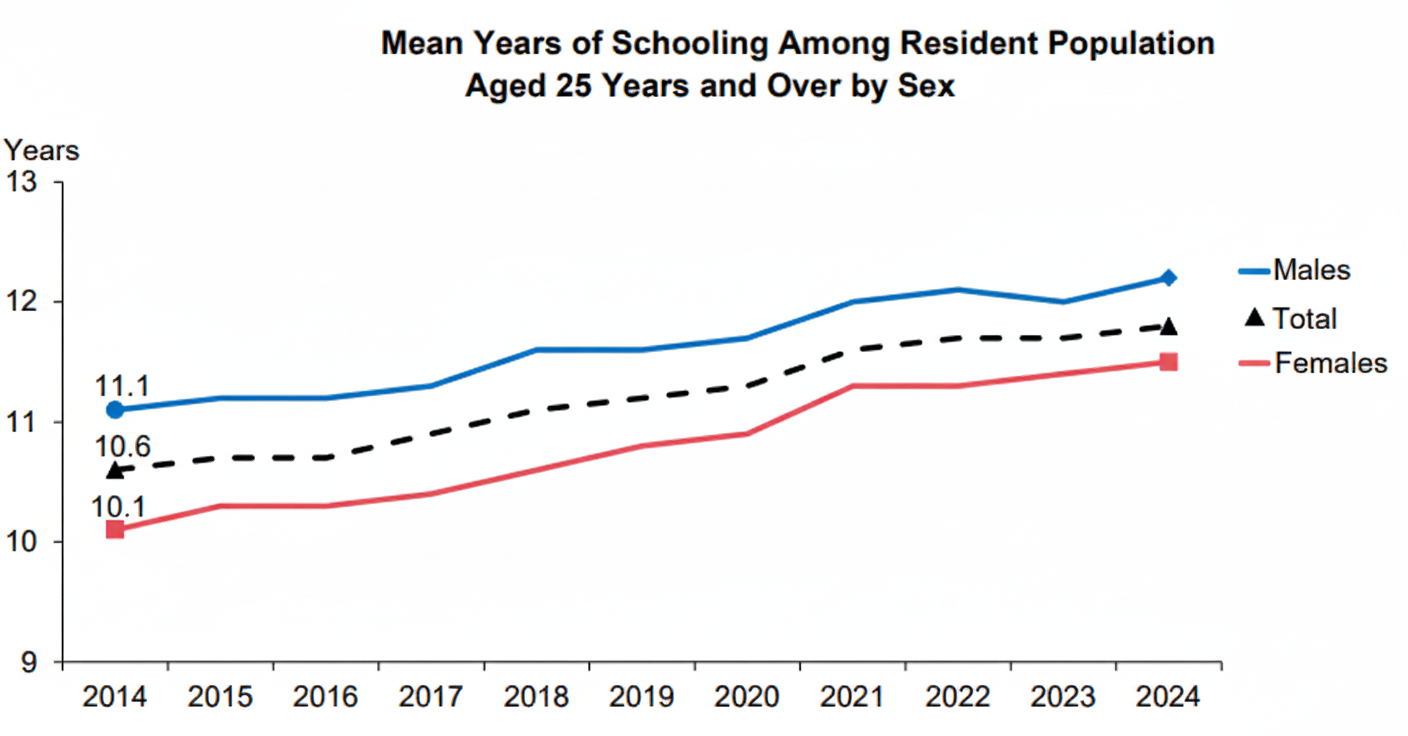
    What Minister Gan’s 2026 Population Speech Means for Singapore PR and Citizenship Applicants class=””>Singapore’s schools are famous around the world for being some of the best. In the 2023 Trends in International Mathematics and Science Study (TIMSS), Singapore’s 4th and 8th graders scored higher than students from any other country in math and science. And in the 2022 Programme for International Student Assessment (PISA), Singaporean students were also top performers in math, science, reading, and creative thinking.  

    But it’s not just about primary and secondary schools. Singapore’s universities are also amazing. The National University of Singapore (NUS) is ranked 8th in the world, and Nanyang Technological University (NTU) is 15th, according to the QS World University Rankings 2025.   Singapore’s Population Cools in 2025: Deeper Insights for Residency Applicants

    Here are some other rankings where Singapore does really well:

    • Times Higher Education World University Rankings: NUS and NTU are in the top 50 universities.  

    • Financial Times Global MBA Rankings: Singapore Management University (SMU) and INSEAD’s Singapore campus are among the best places in the world to study business.  

    • QS Executive MBA Rankings: INSEAD Singapore (9th spot), NUS (14th), Nanyang Business school (24th), SMU (27th).  

    • QS MBA Rankings: NUS (25th spot), Nanyang Business School (36th).  

    • Graduate Employability Rankings: NUS ranked 17th spot in QS and 9th in the Times Higher Education.  

    These results are even more noteworthy when you consider that the little island state is home to only 6 million people.

    In this article, we’ll take a closer look at why Singapore’s schools are so successful. We’ll explore how the system works, its history, and what makes it different from other countries. We’ll also learn about the opportunities available for students in Singapore, whether they’re from Singapore or another country.

    Get ready to discover the secrets of Singapore’s amazing education system!

    Singapore’s School System: Its Ethos, Values, and Features

    Singapore wants every child to be the best they can be. Their education system is built on important values and principles that make it special and successful.  

    Key Values

    • Meritocracy: This means everyone has the same chance to do well in school, no matter where they come from or what their family is like. It’s all about how hard you work and what you can do!  

    • Bilingualism: In Singapore, students learn in English, but they also learn their mother tongue, like Mandarin, Malay, or Tamil. This helps them understand different cultures in Singapore’s multi-racial/ethnic society and talk to people from all over the world.  

    • Holistic Education: Singapore’s schools don’t just care about grades. They want students to grow as whole people, learning important values and life skills. They also encourage students to join clubs, play sports, and pursue more artistic fields.

    • Adaptability and Innovation: The world is changing quickly, so Singapore’s schools are always updating what they teach. They want students to be creative, solve problems, and think critically.  

    • High Standards and Expectations: Singapore sets high goals for students and teachers. They want everyone to always try their best and keep learning and growing.  

    Distinctive Features

    • Streaming: Students are placed in different groups based on how they’re doing in school. This helps teachers give them the right level of help and support.  

    • Emphasis on Teacher Quality: Singapore knows that great teachers are a key asset in a student’s development. They train their teachers really well and make sure they have everything they need to help students succeed.  

    • Strong Partnerships: Schools work closely with parents and the community to create a supportive environment where everyone feels connected and cared for.  

    What Sets It Apart

    Singapore’s education system is different from many other countries because it:

    • Focuses on bilingualism: Students learn two languages, which helps them connect with more people and cultures.  

    • Emphasizes holistic development: Schools care about more than just grades, focusing on character, values, and life skills.  

    • Is committed to meritocracy: Everyone has an equal chance to succeed, no matter what their background is.  

    All these things make Singapore’s education system one of the best in the world, helping students become well-rounded, adaptable, and ready for the future!  

    Historical Context with Timeline of Major Changes

    Singapore’s education system has a rich history, with its roots tracing back to the British colonial era. However, it has undergone significant transformations since Singapore’s independence in 1965, evolving to meet the nation’s changing needs and aspirations.  

    Here’s a timeline highlighting major changes over the past 10 years:

    • 2014: Shifting from a single PSLE score to wider scoring bands to reduce fine differentiation and encourage holistic development.  

    • 2017: Introduction of Subject-Based Banding in secondary schools, allowing students to take subjects at different levels based on their strengths.  

    • 2018: Launch of the Learning for Life Programme to emphasize 21st-century competencies and character development.  

    • 2019: Introduction of the Edusave Character Award to recognize students’ positive character and values.

    • 2020: Widespread adoption of Home-Based Learning during the COVID-19 pandemic, accelerating the integration of technology in education.

    • 2021: Expansion of Full Subject-Based Banding to all secondary schools, providing greater flexibility and customization in subject selection.  

    • 2023: Announcement of further changes to the PSLE scoring system to reduce academic stress and promote student well-being.  

    • 2024: Implementation of the new PSLE scoring system. Gifted Education Programme (GEP) in primary schools will be revamped, with high-ability programmes in all schools to be opened up to more students.

    These changes reflect Singapore’s ongoing commitment to refining its education system, ensuring it remains relevant, responsive, and prepares students for the challenges and opportunities of the future

    What is the Current System?

    Singapore’s schools are always changing and improving to stay up-to-date. They want to make sure students are learning the right things and are happy and healthy while they learn.  

    Recent Changes and Their Rationale:

    • PSLE Scoring Changes: The Primary School Leaving Examination (PSLE) is a big test that students take at the end of primary school.  Singapore changed how they score the PSLE to make it less stressful for students.  They want students to focus on learning and not just worry about getting one perfect score.  

    • Full Subject-Based Banding (Full SBB): In secondary school, students can now choose the difficulty level of their subjects.  This is called Full SBB, and it helps students learn at their own pace and focus on things they’re good at.  

    • Learning for Life Programme (LLP): This program helps students learn important skills for the future, like how to work with others, solve problems, and be creative.

    Technical Aspects:

    • Edusave: This is a national savings scheme that provides every Singaporean child with an Edusave account. The government contributes funds to these accounts, which can be used for approved educational purposes, such as enrichment programs or school fees. As of the end of December 2024, primary school students receive S$230, and secondary school students receive S$290 each year in their Edusave account.  Students in schools funded by the Ministry of Education (MOE) receive these contributions from the start of primary school until the end of secondary school, while those in schools not funded by MOE receive them between the ages of 7 and 16. “Adding Value” to Singapore: What ICA Looks For (and How You Can Show It)

    • Child Development Account (CDA): This is a separate savings account for children aged 0-6, with government contributions and matching. Some of these funds can be transferred to the Edusave account when the child reaches 7 years old.

    • Independent Schools: These are publicly-funded schools with greater autonomy in their curriculum and operations. They often have specialized programs and cater to students with specific talents or interests.  

    • Integrated Programme (IP): This is a 6-year program offered by some schools that allows academically strong students to bypass the O-Level examinations and proceed directly to pre-university education. It offers a more flexible and less structured learning approach.  

    • Direct School Admission (DSA): This exercise allows students to seek admission to secondary schools based on their talents and achievements in areas beyond academics, such as sports, arts, and leadership.  

    These are some of the important parts of Singapore’s education system that help make it so successful.

    Levels of Schooling: Navigating the Pathways

    Singapore’s education system offers a structured yet flexible pathway for students, catering to diverse interests and learning styles. Here’s a glimpse into the different levels of schooling:

    • Preschool: While optional, preschool education is highly encouraged. It provides a foundation for social, emotional, and cognitive development.  

    • Primary School (6 years of schooling): Compulsory education begins at age 7. Students undergo a holistic curriculum, building a strong foundation in literacy, numeracy, and character development. The Primary School Leaving Examination (PSLE) at the end of Primary 6 assesses students’ readiness for secondary education.  

    • Secondary School (4-5 years schooling): Students are streamed into different tracks based on their PSLE results: Express, Normal (Academic), or Normal (Technical). This allows for tailored instruction and pacing. Students can pursue the GCE O-Level or N-Level examinations depending on their track.  

    • Post-Secondary Education (2-3 years schooling): Options include Junior Colleges (JC) for pre-university education leading to the GCE A-Level examinations, Polytechnics for practice-oriented diploma courses, and the Institute of Technical Education (ITE) for vocational training.  

    • Tertiary Education: Singapore boasts world-class universities like NUS, NTU, SMU, SUTD, SIT, and SUSS, offering a wide range of undergraduate and postgraduate programs.  

    As a side note, students presently studying in Singapore and have passed at least one national exam in Singapore either in PSLE, GCE ‘N’/’O’/’A’ levels, or are in the Integrated Programme (IP) are eligible to apply for a Singapore Permanent Resident visa.

    Public vs. Private Schools:

    • Public Schools: These form the backbone of the education system, offering subsidized education to citizens and permanent residents. They are known for their high standards and multicultural environment.

    • Private Schools: These include international schools and cater primarily to expatriates or those seeking alternative curricula like the International Baccalaureate (IB) or the International General Certificate of Secondary Education (IGCSE).  

    Singapore’s education system provides a diverse range of options for students, ensuring that they can find a pathway that suits their individual needs and aspirations.

    Costs and Benefits of Education in Singapore

    Costs:

    Education in Singapore represents a significant investment, but the costs vary depending on the student’s nationality and the type of school.

    • Citizens: Singaporean citizens enjoy the lowest fees for public schools due to substantial government subsidies.  

    • Permanent Residents (PRs): PRs pay higher fees than citizens but still benefit from government subsidies.  

    • International Students: International students face the highest tuition costs in public schools. Private schools, including international schools, are generally the most expensive option for all nationalities.  

    For a clearer picture, let’s look at the monthly school fees for primary and secondary schools as of 2023, according to the Ministry of Education (MOE):

    Monthly School Fees

    School Type Singapore Citizens (SGD) Permanent Residents (SGD) International Students (ASEAN) (SGD) International Students (Non-ASEAN) (SGD)
    Primary Schools 13 293 to 343 559.17 to 609.17 949.17 to 1,049.17
    Secondary Schools 25 580 to 700 991.80 to 1,111.80 1,931.80 to 2,211.80
    Junior Colleges and Millennia Institute 33 667 to 787 1,199.43 to 1,319.43 2,289.43 to 2,569.43

    Source: Singapore Ministry of Education

    Benefits:

    The benefits of investing in education in Singapore extend beyond the monetary aspect:

    • High-Quality Education: Singapore’s education system is globally recognized for its rigor, high standards, and excellent results in international assessments.  

    • Strong Focus on STEM and Bilingualism: The curriculum emphasizes science, technology, engineering, and mathematics (STEM) subjects, equipping students with essential skills for the future. Bilingualism fosters broader communication skills and cultural understanding.  

    • Safe and Structured Learning Environment: Singapore offers a safe and conducive learning environment with a strong emphasis on discipline and character development. 

    • Access to World-Class Universities: Graduates gain access to prestigious universities in Singapore and abroad, opening doors to further education and career opportunities.

    • Enhanced Employability: Singaporean graduates are highly sought after by employers, both locally and internationally, due to their strong foundational skills and global outlook.

    While the costs of education in Singapore can be significant, especially for international students, the long-term benefits in terms of personal and professional development make it a worthwhile investment.

    Performance of Singapore Students and Schools: A Global Comparison

    Singapore’s education system consistently shines in international assessments, showcasing the exceptional performance of its students and schools. Let’s delve into the data:

    Primary and Secondary Schools:

    • TIMSS: Singapore has for many years consistently topped the TIMSS rankings in mathematics and science for both 4th and 8th graders, demonstrating a strong foundation in these core subjects. Click here to view charts.

    TIMSS 4th Grade Math Scores (2023 vs 2018, higher is better)

    Source: TIMSS
    • PISA: Singapore also excels in PISA, securing top positions in mathematics, science, reading literacy, and creative thinking. This highlights the well-rounded capabilities of Singaporean students. Click here to view charts.

    PISA Creative Thinking Scores

    Source: PISA

    Tertiary Schools:

    • Overall School Rankings:

      • QS World University Rankings: NUS and NTU consistently rank among the top 20 universities worldwide, solidifying Singapore’s position as a global leader in higher education.  

      • Times Higher Education World University Rankings: NUS and NTU also perform exceptionally well in these rankings, consistently placing within the top 50.  

    NUS Rankings have been consistently improving (lower is better)

    Source: www.universityrankings.ch

    NTU Rankings improving more on the Times rankings (lower is better)

    Source: www.universityrankings.ch

    • MBA and Executive MBA:

      • Financial Times Global MBA Rankings: NUS, SMU and INSEAD’s Singapore campus feature prominently in these rankings, showcasing the quality of business education in Singapore.  

    • Employability Rankings:

      • Graduate Employability Rankings: NUS and NTU are recognized for producing highly employable graduates, highlighting the strong link between education and industry needs in Singapore. For example, graduates from NUS were ranked 9th in 2024 and 2025 in the Times Higher Education surveys. In the QS survey in 2022, NUS was ranked 17th, which was up from 24th in 2020. NTU graduates were ranked 33rd in 2025 and 35th in 2024.

    These rankings and assessments demonstrate the comprehensive excellence of Singapore’s education system, from primary school to university level. The country’s commitment to high standards, rigorous curriculum, and holistic development produces well-rounded graduates who are equipped to succeed in a competitive global environment.

    Opportunities for Foreign Students After Graduation

    Singapore’s education system not only attracts international students but also provides them with opportunities to stay and contribute to the nation’s growth after graduation.

    Breakdown of Nationalities:

    International students form a significant part of Singapore’s vibrant educational landscape. Here’s a breakdown of the top 10 nationalities of international students enrolled in Singaporean universities in 2022:

    Breakdown of international students in Singapore by nationality in 2022

    Source: Singapore Ministry of Education

    Post-Graduation Opportunities:

    • Long-Term Visit Pass (LTVP): Graduates can apply for a 1-year LTVP to remain in Singapore and seek employment.  

    • Work Passes: Upon securing a job, employers will typically apply for a work pass on the graduate’s behalf, such as a Work Permit, S Pass, or Employment Pass, depending on their qualifications and salary.  

    • Permanent Residency (PR): After working in Singapore for a period and making significant contributions to the economy, foreign graduates can apply for PR, offering them the right to live and work in Singapore indefinitely.

    • Singapore Citizenship: PRs who have resided in Singapore for a qualifying period and meet certain criteria can apply for Singapore citizenship, granting them full rights and privileges as citizens.

    Singapore’s welcoming policies and diverse opportunities make it an attractive destination for international students seeking to build their careers and futures.

    The Future of Singapore’s Education System

    Singapore’s education system is not static; it’s constantly evolving to meet the challenges and opportunities of a rapidly changing world. Here are some key trends and initiatives shaping the future of education in Singapore:

    • Digital Transformation: The integration of technology and artificial intelligence (AI) in classrooms is accelerating. This includes personalized learning platforms, adaptive assessments, and the use of AI tutors to enhance the learning experience.  

    • Focus on SkillsFuture: The SkillsFuture movement continues to gain momentum, emphasizing lifelong learning and skills mastery. This initiative provides Singaporeans with opportunities to upskill and reskill throughout their lives, ensuring they remain competitive in the future economy.  

    • Emphasis on Well-being: While maintaining high standards, there’s a growing focus on student well-being and mental health. Initiatives are being implemented to reduce academic stress, promote holistic development, and create a more supportive learning environment.  

    • Global Citizenship and Sustainability: The curriculum is being updated to incorporate global citizenship education and sustainability concepts. This aims to develop students’ awareness of global issues, intercultural understanding, and responsible citizenship.  

    • Flexible Pathways and Personalized Learning: The education system is moving towards more flexible pathways and personalized learning experiences. This includes greater use of technology, adaptive assessments, and customized learning plans to cater to individual needs and aspirations. Short Guide for Indians Moving to Singapore: Company Incorporation, Employment Pass, PR, and CECA Benefits Incorporating a Company in Singapore and Obtaining an Employment Pass (EP): Your Step-by-Step Guide


    Singapore: Your Gateway to Educational Excellence

    Singapore’s education system stands as a shining example of how a country can invest in its people and create a world-class learning environment. By focusing on both academic success and personal growth, Singapore’s schools prepare students to thrive in a constantly changing world.

    Whether you’re a student in Singapore or dreaming of studying there, the opportunities are endless. From primary school to university, Singapore offers a path for everyone to reach their full potential.

    E&H Immigration Consultancy: Your Partner in Education

    Moving to a new country for school can be tough, but E&H Immigration Consultancy is here to help! We’re experts in helping students and families relocate to Singapore. We can assist with:

    • Student Passes: Getting the right visa for your studies.

    • Long-Term Visit Passes (LTVPs): Bringing your family to Singapore with you.

    • Permanent Residency (PR): Making Singapore your permanent home.

    • Citizenship: Becoming a citizen of Singapore.

    • Relocation of Families: Finding a place to live, schools for your kids, and everything else you need to feel settled in Singapore.

    Contact E&H Immigration Consultancy today, and let us help you achieve your educational dreams in Singapore!

    FAQ

    Considering Singapore PR for your family? E&H Immigration’s our Singapore PR application service provides strategic, profile-tailored case building to maximise your approval chances.
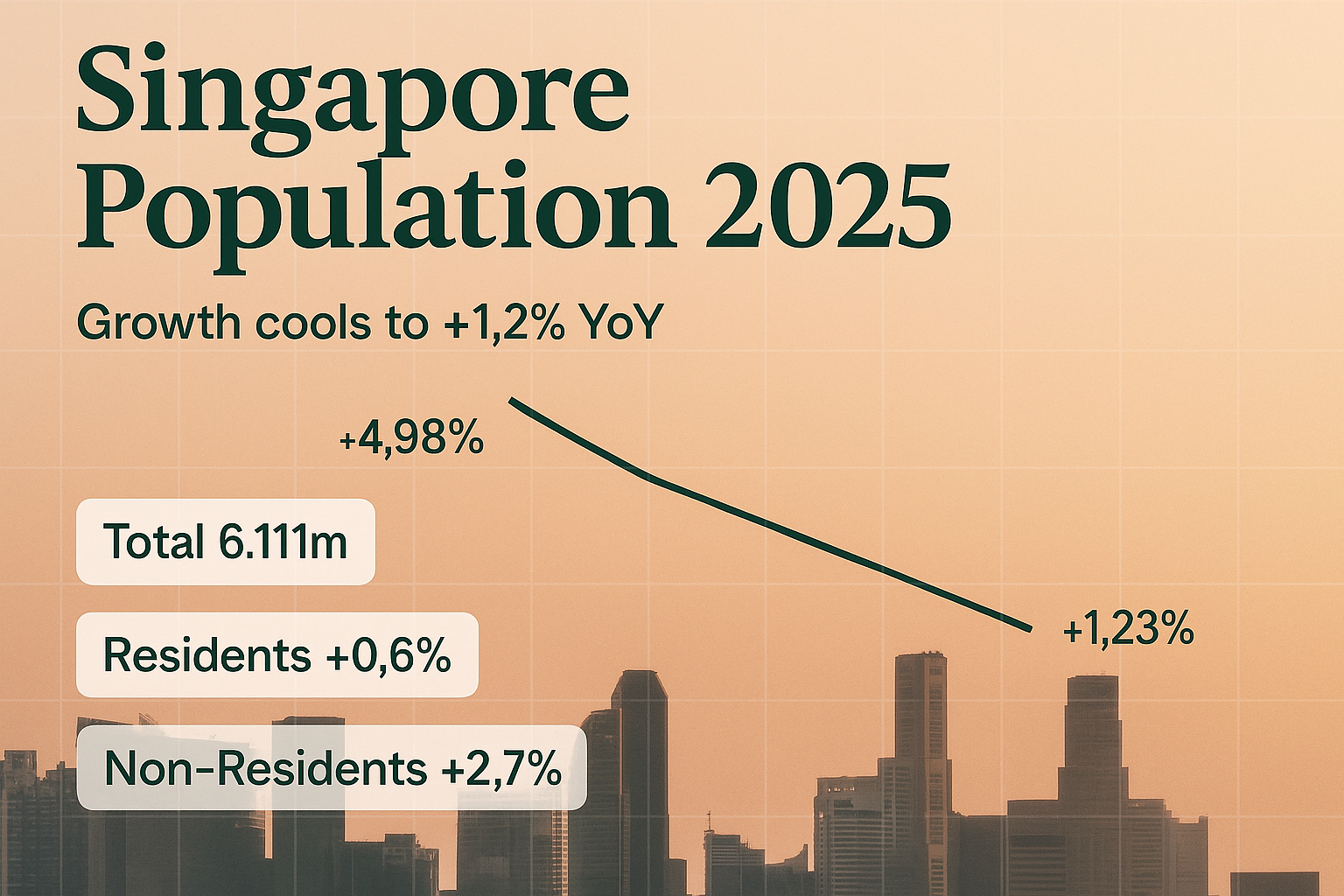
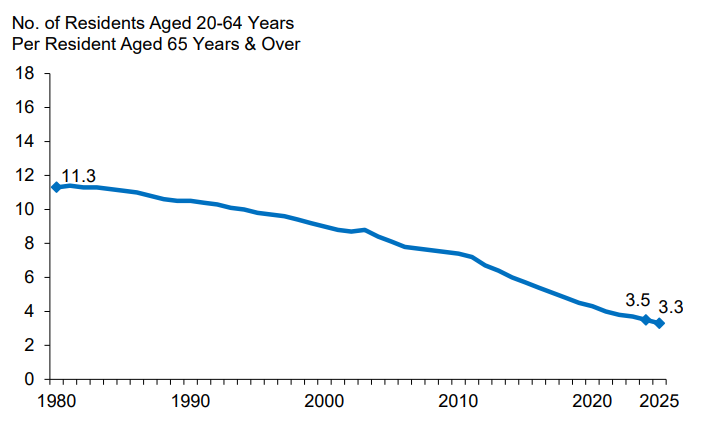
  • Top Tips for Successful Singapore Citizenship Application in 2024

    Top Tips for Successful Singapore Citizenship Application in 2024

    Decision to apply for Singapore citizenship is crucial as it opens doors to many benefits. To accomplish this, preparation is necessary. Work with experts to boost your chances of success for Singapore citizenship. This article provides essential tips for a successful Singapore Citizenship Application in 2024.

    Understand the Requirements Thoroughly.

    The initial step for successful citizenship application in Singapore is to know the eligibility requirements. The applicants must meet residency, income, and family requirements. Make sure to collect IDs, employment history, tax documents, etc.

    Uncovering the Ethnic Quota for PR and Citizenship in Singapore What Minister Gan’s 2026 Population Speech Means for Singapore PR and Citizenship Applicants class=””> If anything is missing, could delay or rejection occur? It would help if you seek a helping hand from Immigration Consultancy Singapore experts. They will ensure your application gets everything standards required. Singapore Population Crosses 6 Million: Implications for PR and Citizenship Policies

    Showcase Your Dedication to Singapore.

    You need to show your commitment to Singapore. This can include your charity work or helping out with events around the island. Your personal statements should showcase your intentions for the future and what made you want to be a citizen. A well-prepared portfolio can better your chances for successful Singapore Citizenship Application. Experts in Immigration Consultancy Singapore can adapt your application to accentuate these things.

    Your Interview Preparation Might Help.

    The interview is an important part of the process. The authorities evaluate your comprehension of Singapore’s values and your social inclusion. Research the country’s history, culture and policies to prepare. Dress classy and answer confidently and sincerely questions. An experienced Immigration Consultancy Singapore carries out mock interviews for practicing purpose. You can affect the final results through preparedness.

    Seek Professional Assistance.

    It can be tough to navigate through the Citizenship Application process of Singapore. How Your Career Choices Impact Your Singapore PR and Citizenship Applications

    Getting an Immigration Consultancy Singapore can be useful. These people help you for all the stages so that nothing is missed. Since they have dealt with many cases, their experiences can guide the best practices. With their help, you do not waste time and make your application stronger.

    Conclusion.

    Applying for Singapore citizenship is a process that can change your life. Therefore, do not take it lightly and pay extra attention to every detail throughout your preparation. If you understand the requirements, show your commitment, and prepare for the interview, your chances of success will improve. When you get professional help, the process becomes easier.

    Reach out to us now to begin your journey to Singapore Citizenship!

    Planning your Singapore citizenship application? E&H Immigration’s our Singapore Citizenship service provides expert, profile-tailored guidance at every step of the process.